
 Back to Home



Disaster Backup & Recovery
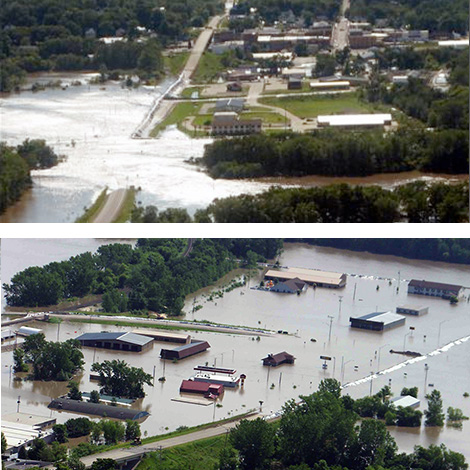
Fires, Floods, Hurricanes, Tornadoes, Theft, and Vandalism. Disasters Happen: Are YOU Ready?
An article by Patricia Buescher, in the January 2005 Oregon Business magazine states that ". . . up to 40% of small businesses do not reopen after a major disaster."
Not only is a business vulnerable to the TRADITIONAL Disasters (Fires, Floods, Hurricanes and Tornadoes, and Earthquakes) many businesses can be harmed by MODERN Disasters (Terrorism, Employee Sabotage, Loss of Key Personnel, and computer hackers or viruses.)
Disaster Recovery doesn't have to cost a lot of money or even take a lot of time away from the business.
Hopefully the business won't have to resort to a Disaster Recovery plan. But if a disaster does strike -- dealing with the disaster after the fact usually isn't enough. Fortunately, it's not that hard to be prepared.
What should a company do to protect against a potential disaster?
The first step is to document the flow of business information. Try to understand why the information flows in that manner. What factors impede or accelerate the flow of information? Understanding these relationships is the basis for determining the importance of the information to the ongoing business and its priority in the overall disaster recovery strategy. Inventory the information in use. Gather, as a part of this inventory, the format of the information (paper, electronic document, E-mail, etc.). Document this information in a spreadsheet or some other easily used format that readily communicates the information flow.
Next, assess potential risks. Determine the risk tolerance of the business in order for it to continue to operate. Once the inventory has been completed, assign specific risk levels to the documents, for example:
- Critical: Without which the business can not operate.
- Vital: The business can operate while the information is reconstructed but is severely impacted.
- Important: The information needs to be reconstructed but is less important.
- Neutral: The business is not adversely affected if the information isn't readily available.
Then, assess the availability of the documents if a disaster occurs. Will the information be accessible, either immediately or shortly after the disaster? For example, paper documents that are required to operate the business --such as customer files--but aren't maintained in duplicate or backed up electronically, would be assessed as Critical.
Finally, categorize requirements based on the format of the information used in the business--that is, internal and/or external electronic documents, E-mail, internal and/or external paper reports, and others.
Companies that develop appropriate disaster recovery programs and related technology implementations can realize a number of benefits. These include, in addition to the security of critical records being stored off-site, improved overall accessibility of information, and potentially better ongoing customer service. Finally, the integration of these technologies within a company's business processes can lead to greater productivity overall.
Once a business understands its needs and risks, it should develop a strategy for completing, and testing, its disaster recovery plan. The business maintains one set of records on-site and the second set of records off-site for disaster recovery purposes.
To get FREE information from FEMA visit Ready.gov/business.
Contact ARCHIVE-CD to learn more about:
- Protecting business records with Paperless Archiving and Document Management Solutions.
- Creating a disaster recovery program.
- Developing disaster recovery policies.
- Scanning your records
- Try Quick-Scan.